
Pei Shan Lee transforms cyber junk into art

© Maja Tyszecka by Pei Shan LeeA pair of fish-shaped shoes, a questionable Temu bodysuit or an abandoned gadget in the street can all become starting points for Taiwanese artist Pei Shan Lee’s work. Lee first studied fashion design in Taiwan before moving to Italy to study sculpture. Her multidisciplinary practice spans photography, video, generative imagery, and installation, and is consistently guided by a sculptural approach to materials, form, and space. She collects images, experiments with AI, and develops them into collages, sculptures, and functional objects.
Today, she often uses her screen as a studio. Her own photographs, screenshots, and images encountered online form an ever-growing archive. Working with Midjourney and Google Gemini, she explores the unfamiliar qualities that emerge as images are transformed, then uses visual collage to gradually build relationships between figures, materials, spaces, and atmospheres
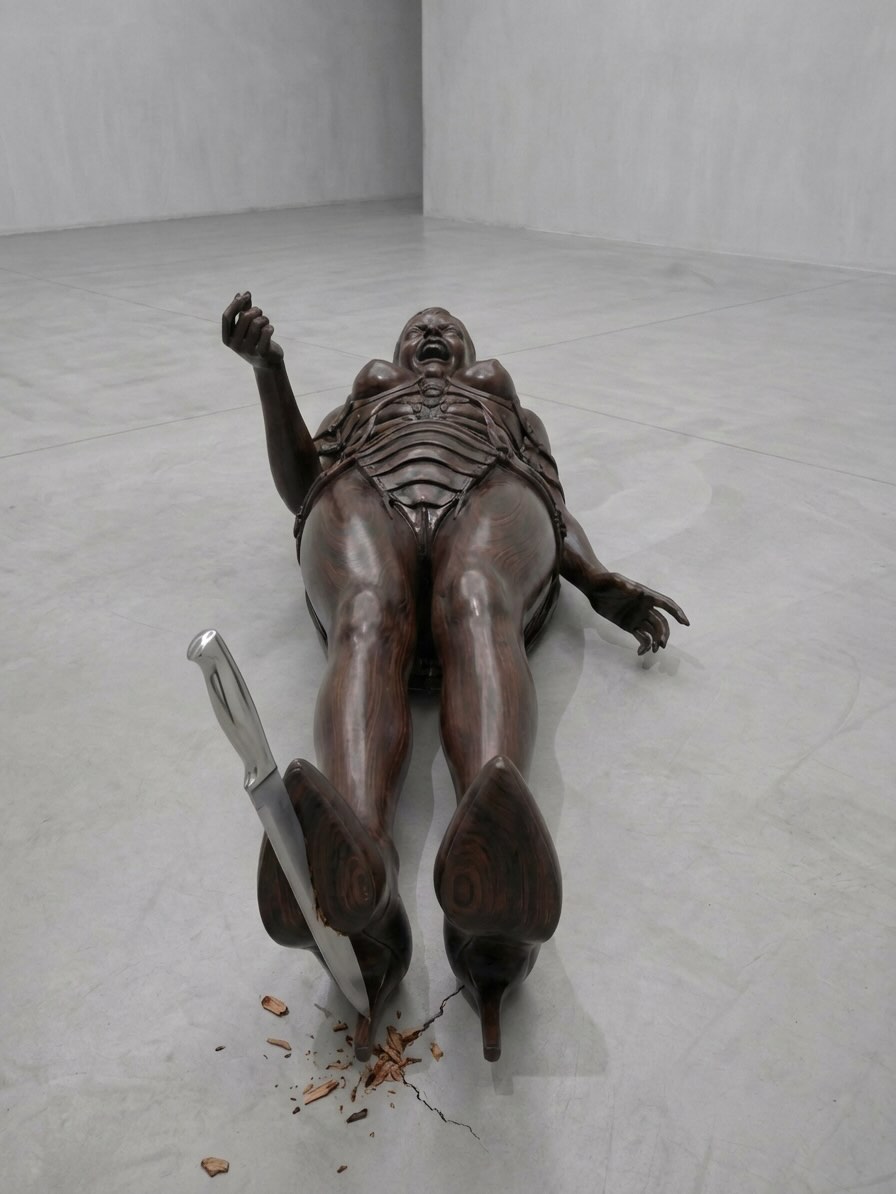
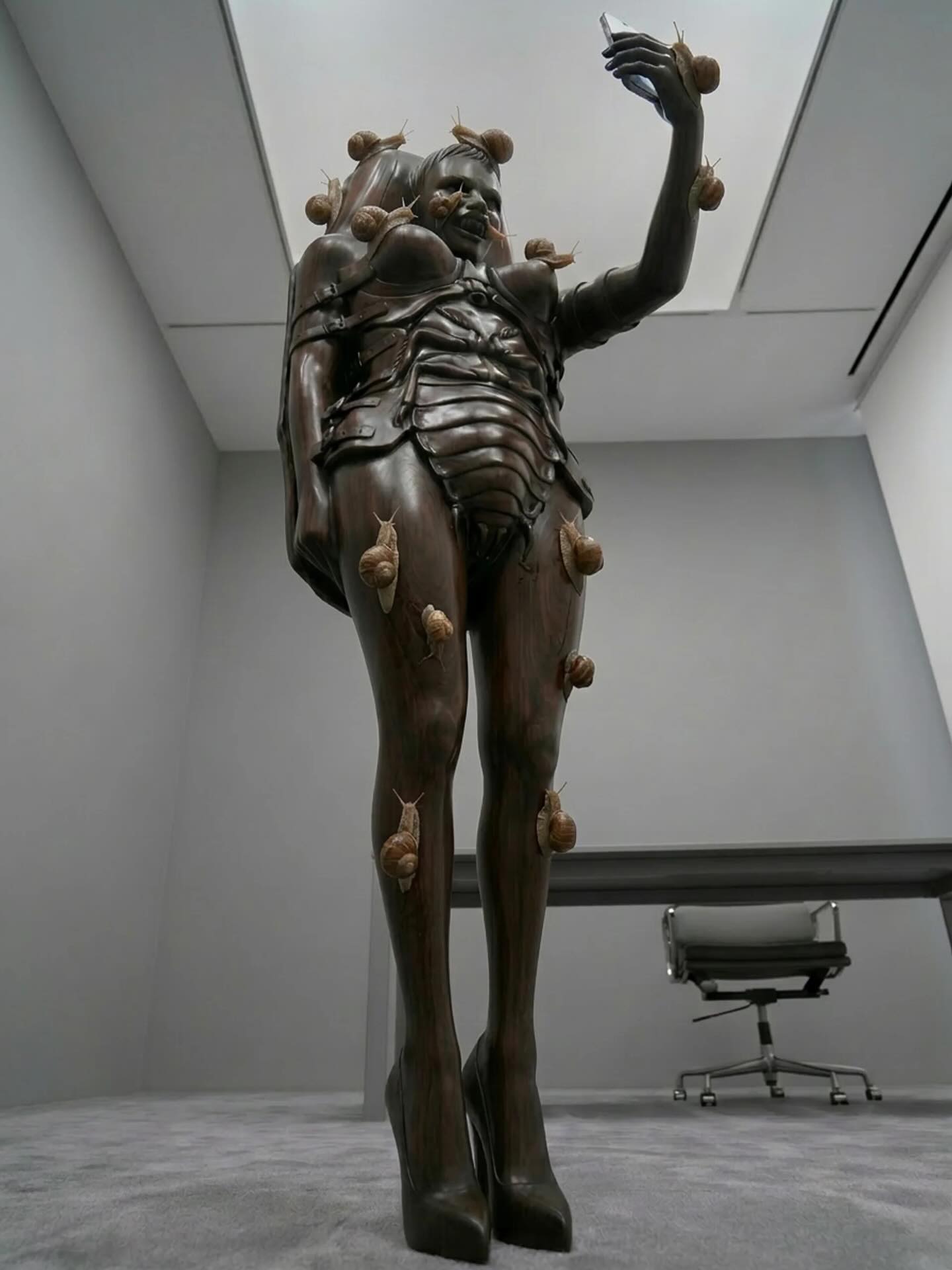
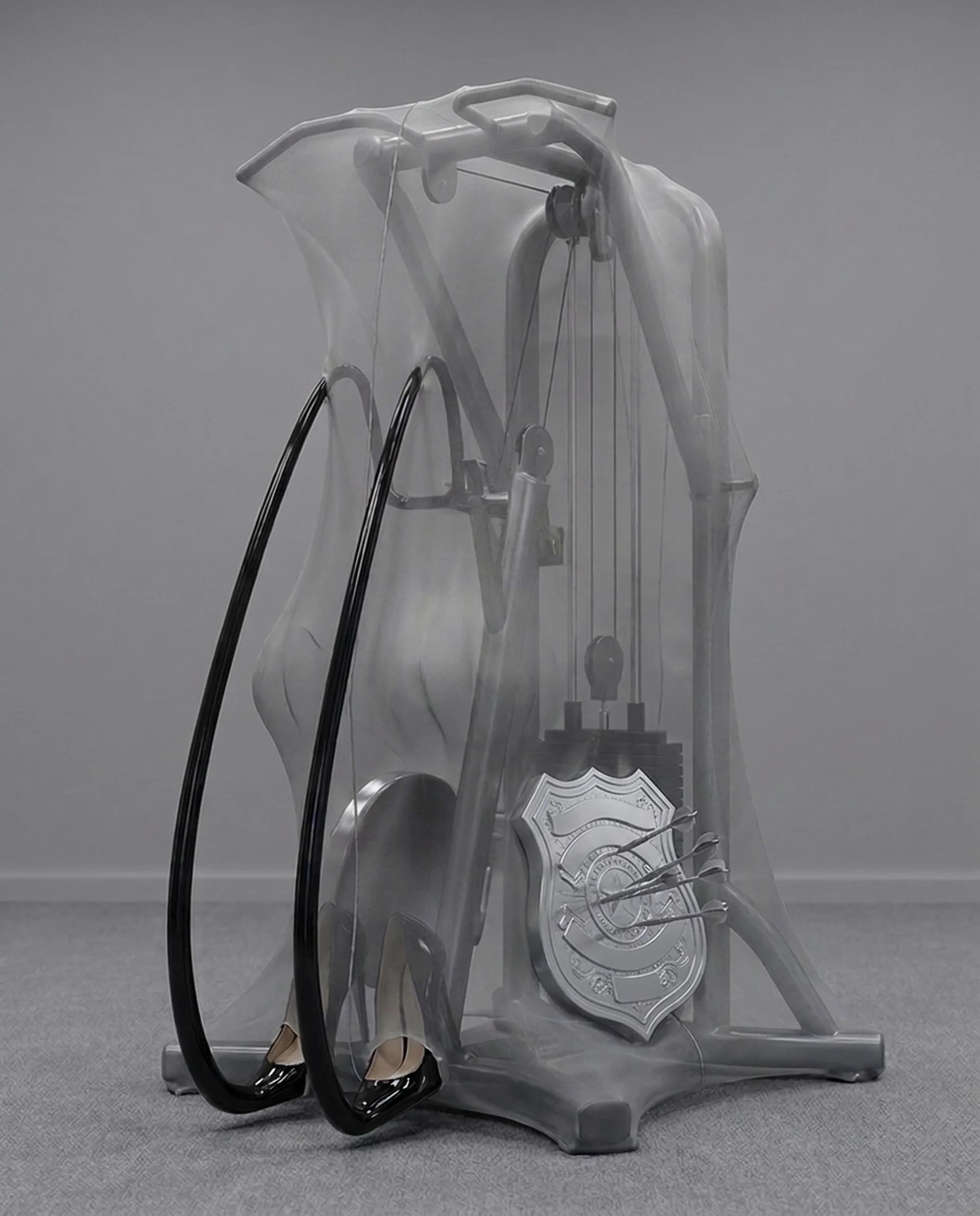
© Special effects artost Clara X Pei Shan Lee 'Unemployed Agent'Her raw material is not what you’d expect. Lee scrolls through Temu and AliExpress for objects that make no sense: shoes shaped like fish, full-body costumes and medical-looking posture gadgets. “I love working out how and why they were made,” she says. “I put myself in the maker’s shoes. If I could build anything, what would I build?” She photographs abandoned objects and industrial corners, she collects it all, mixes two unrelated things together in her head and writes down her ideas. “It’s messy,” she admits.
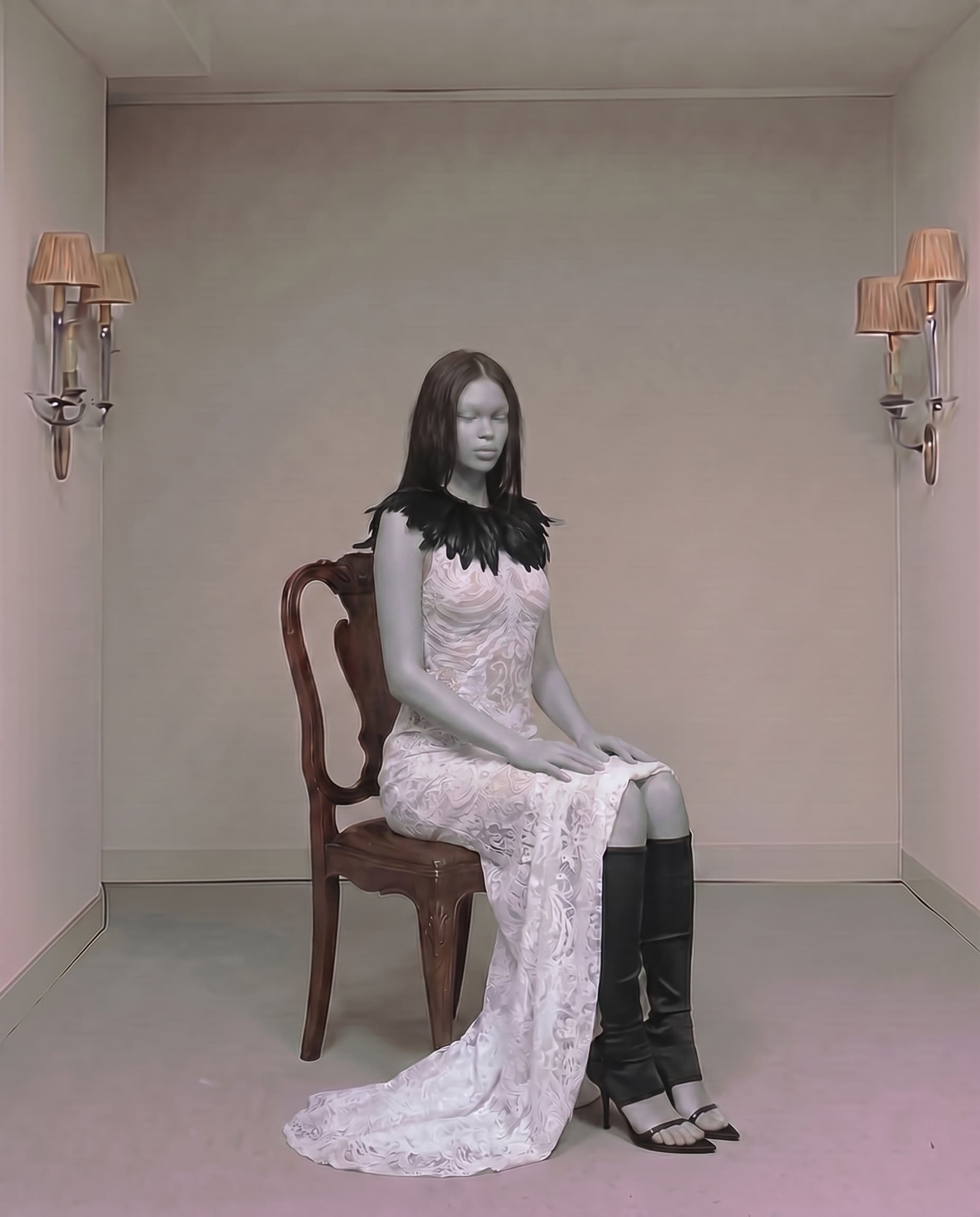
In her images, the body often appears as a composite entity in constant transformation. Manga-inspired imagery, soft-horror atmospheres, and synthetic textures intertwine; figures, prostheses, insects, glossy surfaces, and anatomical fragments coexist within a mutating visual ecology. The body’s boundaries become porous, absorbing technology, memory, cultural imaginaries, and digital residues, continually reassembling at their intersections.
These images explore experiences already unfolding in the present: how we understand ourselves through images, and how technology and media reshape our perception of the body. Attraction and unease coexist, while forms hover between wholeness and disintegration. Identity emerges through this ongoing process of transformation.
Styled by Aurora Kaliroy © Pei Shan Lee
Lee is particularly drawn to things with unusual forms or purposes that are not immediately apparent. She examines their structures, materials, and methods of fabrication, trying to understand the decisions behind them before considering how their intended use might be redefined. Beyond being viewed, how might an artwork be used? Could someone’s interaction with it create new relationships between the object, the body, and the surrounding space?
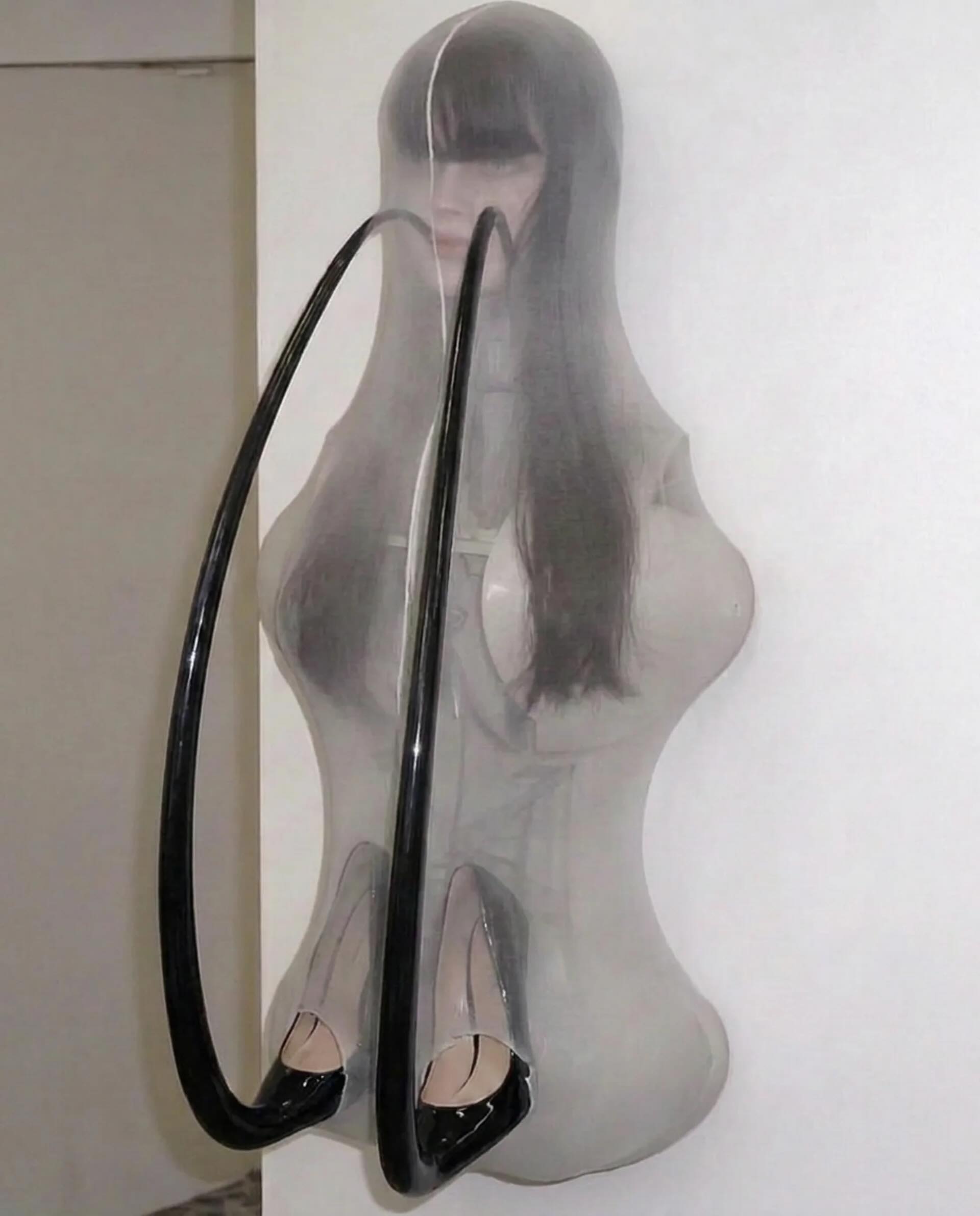
© Pei Shan LeeHer work ‘Specification 001‘, a suitcase exhibited at Studio Care in London, was an important early exploration of translating a digital concept into a physical object. Bringing an image into physical form required her to reconsider materials, structure, and fabrication. Finding makers who could help realise the work was also part of the process, deepening her understanding of how a visual idea can evolve through making.
“It was the first time I turned a visual work into something physical. The process was challenging, especially finding people who could help me make it, but that’s what made the project important to me.”
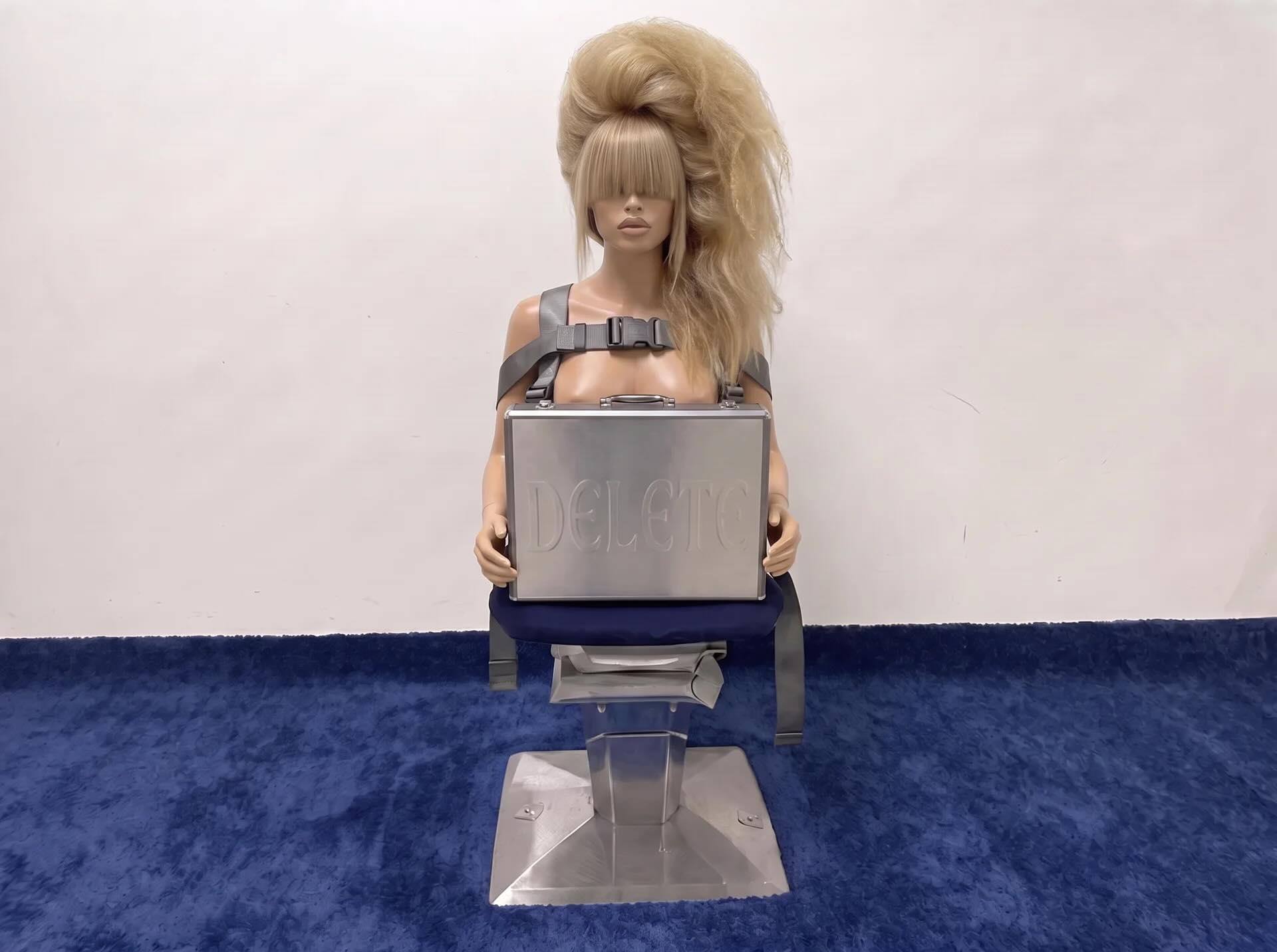
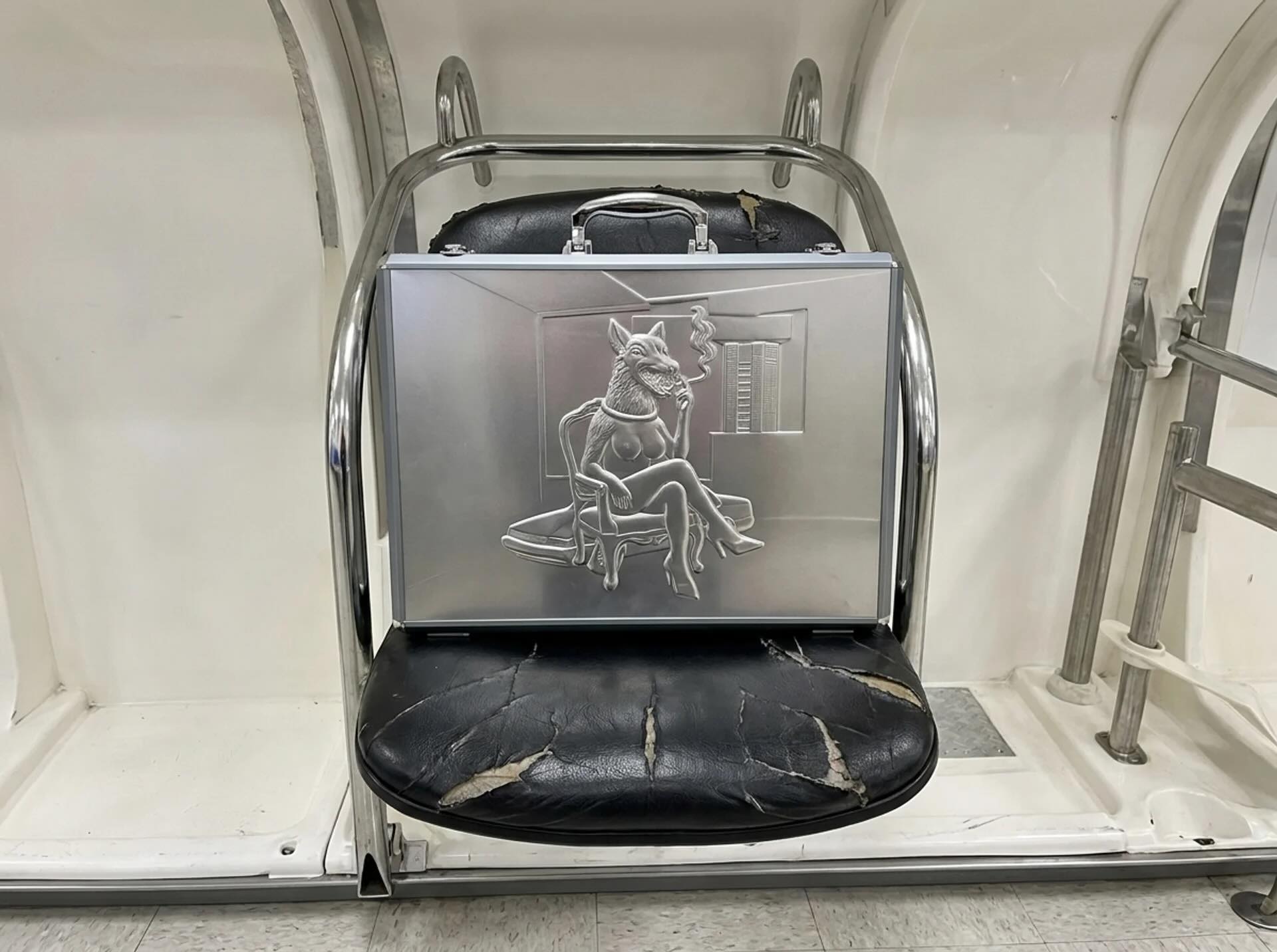
© Pei Shan LeeDuring her six-month residency in Italy, Lee continues to explore the exchange between images and physical forms. Her current projects include a video that approaches questions of functionality through tourism, imagining how visitors might interact with a city and its surroundings. Another project takes an existing digital image as the starting point for a physical sculpture.
As for a dream collaboration, Lee mentions Kanye West and his wife, drawn to the visual language they create across fashion, music videos, stages and spaces. “I really like how everything connects. It’s minimal, but it includes everything: the stage, the space and the music videos. For me, fashion is just one part of a much bigger visual language, and that’s what I want to work with.”